
Why We Show Up for Children: The Heart Behind Safe Child Foundation
July 17, 2026
Back to School: 200 Children Supported in Ilesa, Osun State, with School Fees, Learning Materials and Safety Education
October 13, 2026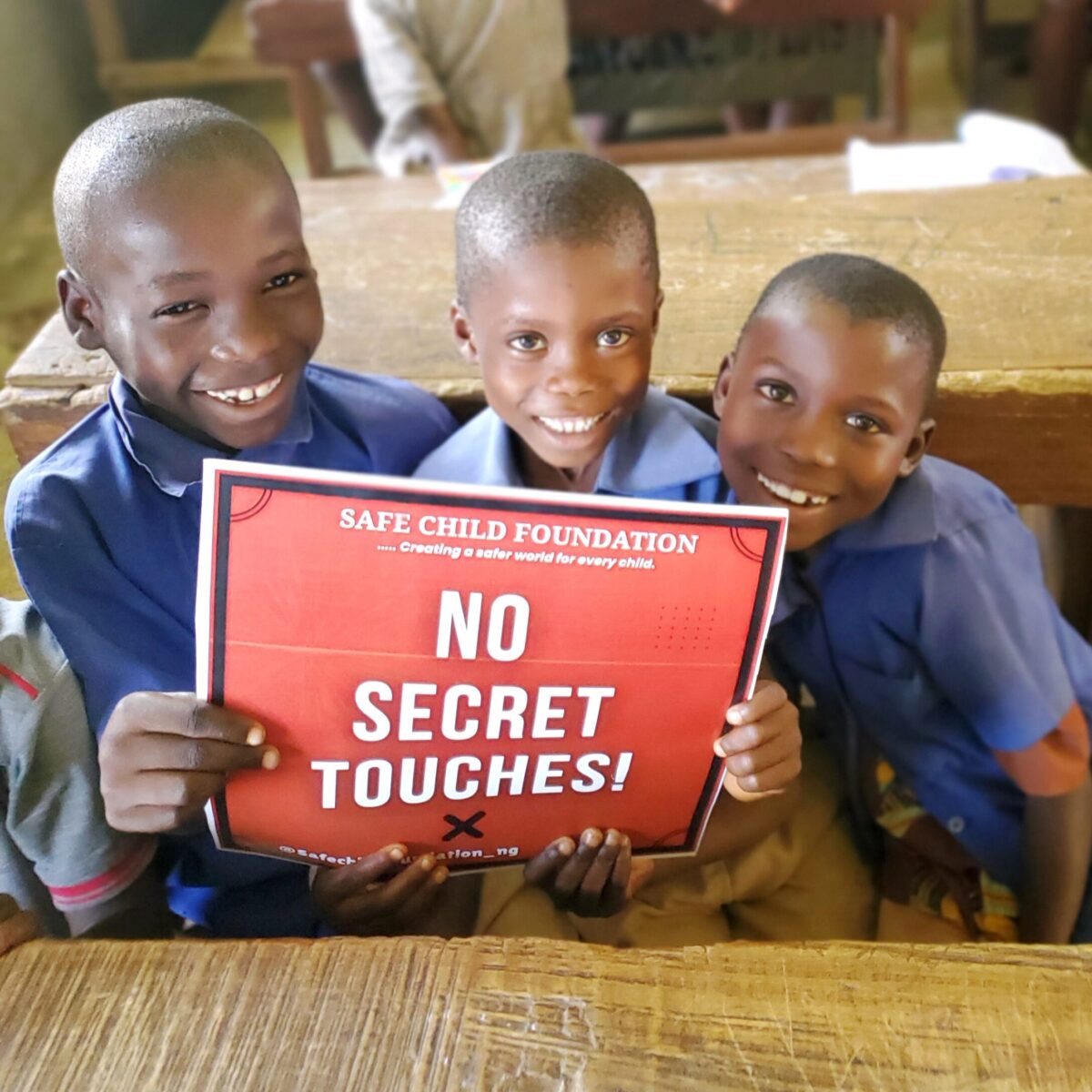
A child who knows their body belongs to them is better equipped to recognize unsafe situations, speak up, and seek help.
Talking to children about body safety can feel uncomfortable at first.
Some parents may wonder, “Is my child too young for this conversation?” Others may worry that talking about abuse will frighten their children.
But body safety education is not about frightening children.
It is about equipping them.
Children deserve to understand their bodies, know their boundaries, recognize unsafe situations, and feel confident telling a trusted adult when something doesn’t feel right.
What is body safety education?
Body safety education teaches children simple, age-appropriate lessons about their bodies, personal boundaries, safe and unsafe touches, trusted adults, and what to do when they feel uncomfortable or unsafe.
It is not a one-time conversation.
It is an ongoing part of helping children develop confidence, awareness, and the ability to communicate when something is wrong.
At The Safe Child Foundation, we believe these conversations should begin early and grow with the child.
Why do these conversations matter?
Children interact with many people as they grow—parents, siblings, relatives, teachers, neighbours, family friends, coaches, religious leaders, and other adults.
Most of these relationships may be safe and positive. But children also need to know that being familiar with someone does not automatically make every action appropriate.
Body safety education gives children language and confidence to identify situations that make them uncomfortable and seek help.
It also helps remove the idea that children should simply obey every adult without question.
A child should know:
“My body belongs to me.”
“I can say no when I feel uncomfortable.”
“I can tell a trusted adult.”
“I will not be blamed for someone else’s inappropriate behaviour.”
How can parents begin the conversation?
You don’t need to have one big, serious conversation.
Start with small conversations during everyday moments.
1. Teach children the correct names for body parts
Using appropriate and correct names helps children communicate clearly about their bodies and describe what happened if they ever experience something concerning.
There should be no shame around talking about the body.
2. Teach them about personal boundaries
Help children understand that they have boundaries and that other people have boundaries too.
You can teach them that they are allowed to say “No,” “Stop,” or “I don’t like that” when someone touches them in a way that makes them uncomfortable.
They should also learn to respect other people’s boundaries.
3. Explain safe and unsafe touches
Children can learn that some touches are appropriate and caring, while others are inappropriate, uncomfortable, or unsafe.
Keep the conversation simple and appropriate for their age.
Most importantly, teach them that they can always tell you if a touch makes them uncomfortable.
4. Teach them about trusted adults
Don’t simply tell a child, “Tell me if something happens.”
Help them identify several trusted adults they can approach.
You can say:
“If you ever feel scared, uncomfortable, or confused about something someone does, you can always tell me. If I’m not around, you can tell another trusted adult.”
Children should know that they can keep telling safe adults until someone listens and helps them.
5. Teach them that secrets about safety should be told
Children may sometimes be asked to keep secrets.
Help them understand the difference between a fun surprise and a secret that makes them feel scared, uncomfortable, or unsafe.
A child should never feel that they will get into trouble for telling you something concerning.
What if a child tells you something?
This is one of the most important parts of child safety.
If a child tells you about something that happened to them, listen.
Try not to panic, blame, shame, or interrogate the child.
Let them know that you are glad they told you and that what happened is not their fault.
Then seek appropriate professional and safeguarding support.
The way an adult responds can determine whether a child feels safe enough to speak again.
Body safety is everyone’s responsibility
Children should not be expected to carry the responsibility of protecting themselves from adults.
Adults have the greater responsibility to create safe environments and protect children.
Parents, caregivers, teachers, schools, organizations, religious communities, and everyone who works with children have a role to play.
That is why body safety education must go hand in hand with adult safeguarding and child protection.
At The Safe Child Foundation, we don’t only talk to children. We also engage parents, caregivers, teachers, and communities because protecting children requires all of us.
Start the conversation today
You don’t have to know exactly what to say.
You don’t have to get every word perfect.
Start with something simple:
“Your body belongs to you.”
“You can always talk to me.”
“You will never be in trouble for telling me about something that makes you uncomfortable or unsafe.”
These simple messages can give a child the confidence to speak when it matters most.
And sometimes, one conversation can make a difference.
At The Safe Child Foundation
We are committed to helping children understand their rights, recognize unsafe situations, and build the confidence to speak up.
Through our Body Safety Education and Child Protection Awareness programs, we equip children and the adults around them with knowledge that can help create safer environments.
Because every child deserves to feel safe.
Every child deserves to be heard.
Every child deserves to be protected.
Want to bring Body Safety Education to your school or community?
Connect with The Safe Child Foundation and let’s create safer spaces for children together.